Self-care is one of the most important elements for increasing health to the greatest degree. Physicians are trained to be skillful in diagnosis and the treatment of signs and symptoms. However, their decision making is based on averages and “norms”. Treatment plans are created to move abnormal findings (signs and symptoms) into a normal range. By definition, an average is a single value that represents the general significance of a set of unequal values. Those unequal values can contain extreme outliers that are far from what the norm is for you. You are the only person that experiences every second of your life. That makes you the best judge of what is normal and abnormal for you. Therefore, I encourage my clients and athletes to view health as a personal responsibility. Informed self-care is a personal commitment to take care of yourself. It can come in many forms, but medically speaking, your self-care should focus on supporting the organ systems that form your body. A good way to organize that support is by looking at the traumas, thoughts, and toxins that could damage your health (mind, body, or spirit).
As you move toward taking more responsibility for your own health, it is paramount to understand the issues that may not necessitate the immediate attention of a medical professional. This is where the daily use of essential oils really shines: as a complement to modern medicine. Essential oils can support the proper function of different body systems on a daily basis, address minor blemishes, support feelings of clear breathing, protect against environmental threats, and more.* In the following articles, learn more about the incredible benefits that can come from purposeful essential oil use.
The information in the Informed Self-care Series is not intended to diagnose, treat, cure, or prevent any disease. However, it should get you started on the path to understanding how your body works and learning how to take charge of your health. The key to understanding how your body works is to know how it responds to different levels of rest, stress, exercise, and nutrition.
* These statements have not been evaluated by the Food and Drug Administration. This product is not intended to diagnose, treat, cure, or prevent any disease.
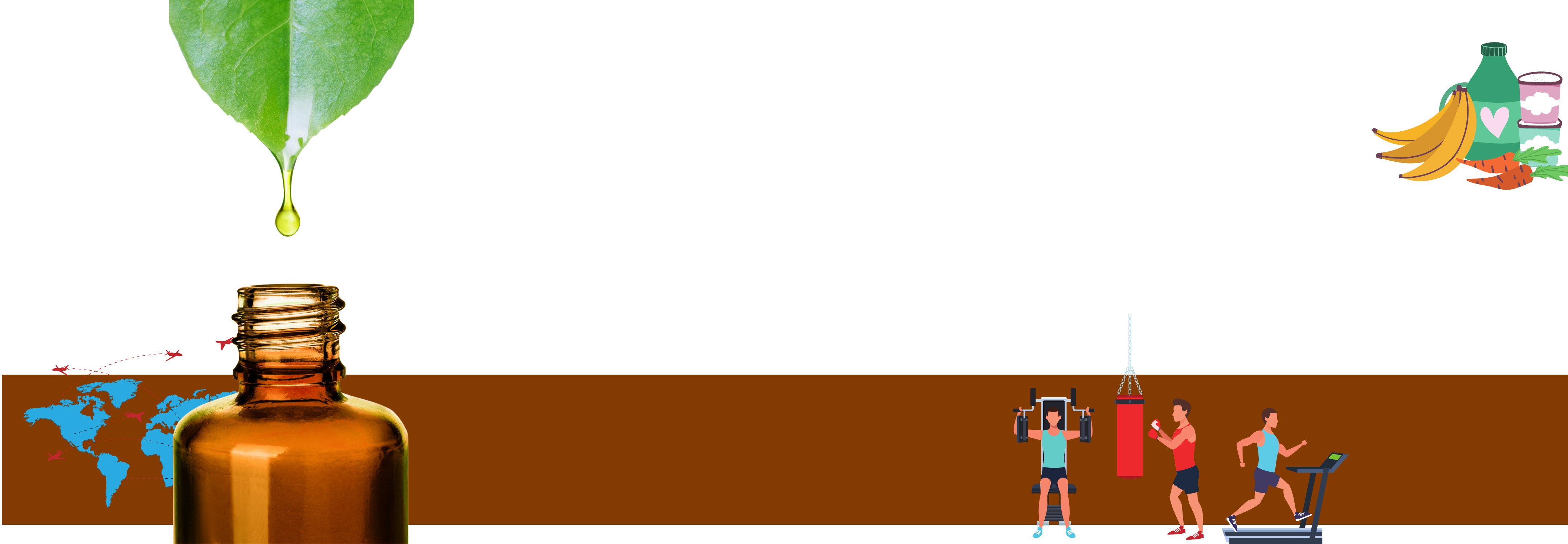
The Informed Self-Care Series discusses how essentials oils can be used to reduce toxic load, to improve rest & manage stress, and support exercise and healthy eating. Furthermore, it outlines the benefits, history, and uses of essential oils.
Before we dive into the details of essential oils, I would like to share my thoughts on living a healthy lifestyle. First, essential oil use should be a part of your fitness lifestyle. Like other supplements (vitamin, mineral, or sport), they are not a replacement for healthy behaviors. In the following blog, PP1: Live fit, Live free!, I outline the fitness lifestyle that my family and I follow. It has improved our overall health, fitness level, and reduced stress levels and medical visits. For me, it has been instrumental in living life with more purpose and job fulfillment. Feel free to use it.
References
1. Stephen Joel Coons PhD, William F. McGhan PharmD, PhD & J. Lyle Bootman PhD (1989) Self-Care Practices of College Students, Journal of American College Health, 37:4, 170-173, DOI: 10.1080/07448481.1989.9938411







 Desmond Pugh